



![]() |
|
Home Veg Recipes Galore Veg Kids & Teens Veg Nutrition Healthy Cooking Tips Veg Book Shop Nava's Blog Favorite Links About Nava Nava's Books Bio Press Room Contact
|
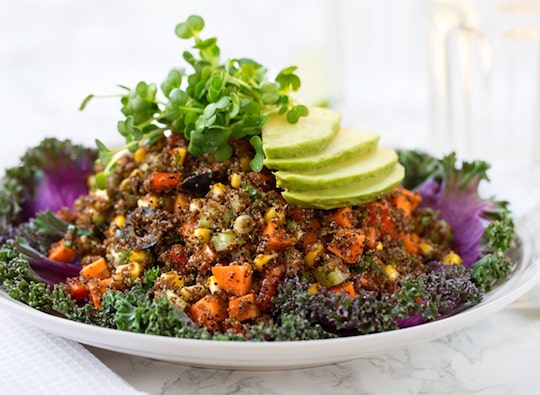
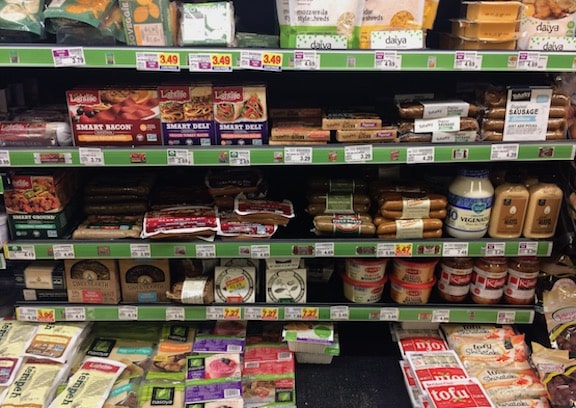
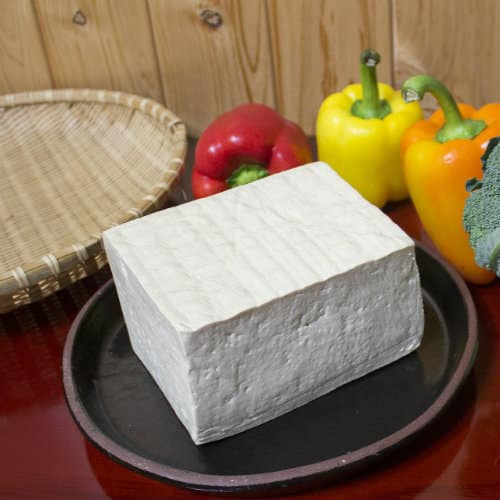
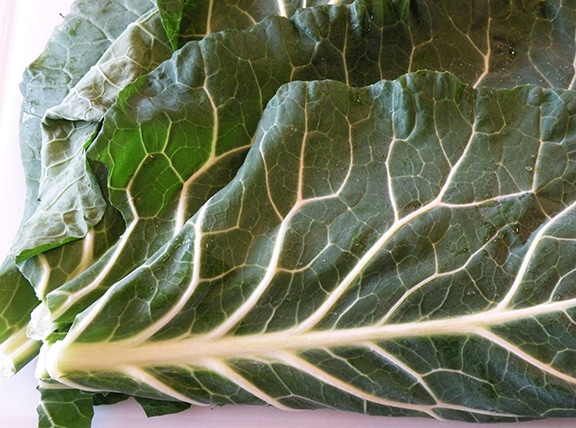
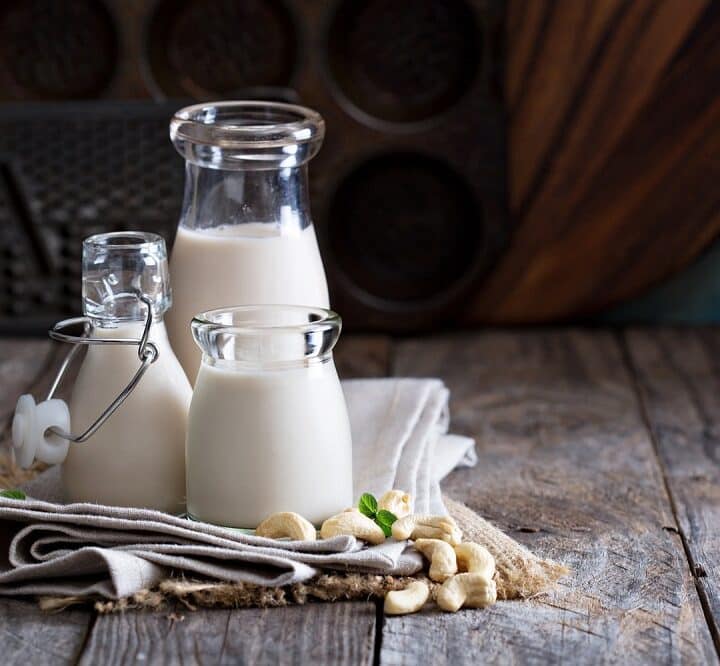
Plant-Based Calcium: Sources and AbsorbabilityBy Beverly Bennett What are some calcium-rich foods, and how much of their calcium are we capable of absorbing and holding on to? You can find plenty of calcium in leafy green vegetables, and 40 to 60 percent is absorbable by our body. It was once believed that the oxalates in certain plant foods messed with our body’s ability to absorb calcium by binding with it and forcing it through the elimination process, but the latest research proves otherwise. For proper calcium absorption, you need to consume food sources that contain types of calcium that are easily digested, assimilated, and absorbed. Keep a watchful eye on your protein, sodium, and other mineral intakes, as they all affect this process. Especially important to note is the special relationship between magnesium and calcium. These “bosom buddies” rely on each other, and both need to be present for proper absorption. Usually it’s in a 2:1 ratio, with two parts calcium to one part magnesium. Because of the calcium-magnesium ratio in dairy products, our bodies do not properly absorb the calcium it contains. Excess stores of calcium accumulate in our blood and urine and can cause kidney problems or failure or cause kidney and gall stones. Some greens, like spinach, contain oxalic acid, which may also cause a problem for those who are susceptible to kidney stones and gall stones. If you’re sensitive, you might want to limit your consumption of certain leafy greens to several times a week. Also, drinking plenty of water can help prevent the formation of stones by diluting the concentration of oxalic acid and dissolved minerals in the urine. The presence of vitamin D also affects calcium’s absorption capabilities. The body easily absorbs vitamin D with just 15 minutes of exposure to sunshine per day. Vitamin D is produced within the body when the sun hits your skin. The sun triggers ergosterol, which is transformed into vitamin D, which helps us absorb calcium from the foods we consume directly into our bloodstream. Vitamin D is stored in the liver, and many believe that what you’re exposed to in an average summer can be stored within your body and used throughout the winter. The liver is capable of storing up to a 3-year supply of vitamin D at one time. Today, many foods are fortified with calcium, magnesium, and vitamin D. Check your grocery and health food store shelves for fortified soy-based products, cereals and grain products, boxed mixes and food items, and orange juices and other beverages. With all these choices, it is virtually impossible to have a calcium deficiency if you consume a well-balanced vegan diet. You do need to keep an eye on these fortification levels, however, as overly excessive amounts of calcium and vitamin D in the diet often lead to health concerns and problems, as previously discussed. You will absorb more calcium if you spread out your food choices throughout your meals and throughout the day. Comparing Food SourcesThe U.S. RDA for calcium is between 800 and 1,200 milligrams, depending on your protein intake, but many feel that that number is too high. The World Health Organization (WHO) recommends between 400 and 500 milligrams calcium daily—half of the U.S. RDA. Plant-based sources of calcium are generally more absorbable than animal sources because we can digest the plant-based foods easier and break them down and utilize the nutrients better. Proteins also have a negative effect on calcium stores because amino acids contain sulfur, which in turn affects the body’s pH balance. Plant-based proteins tend to have lower concentrations of sulfur-based amino acids and are more alkaline in nature. Meat, on the other hand, is very acidic, and the body reacts to re-balance itself by leeching alkaline calcium out of the bones to neutralize the acid. For every 1 gram protein in your diet, you can expect 1 milligram calcium to be lost or eliminated in your urine. Through his research, Dr. T. Colin Campbell of the famous China Project (see Chapter 3) has determined that even though most Chinese consume no dairy products in their daily diets, osteoporosis is uncommon in China even though they consume only half the amount of calcium as compared to Americans. Instead, they obtain all their dietary calcium from plant-based sources. OsteoporosisOsteoporosis is a bone-thinning disease that can rob you of 30 to 40 percent of your bone tissue. Calcium passes from the bones, filters through the kidneys, and is then eliminated in the urine. Factors like excess salt, animal protein, and high-protein dairy products in your diet cause rapid calcium losses and increase your chances of developing osteoporosis. Women in the United States take note, as osteoporosis affects 1 in 4 women in North America. Ironically, osteoporosis is highest in those countries that consume the highest amount of calcium from animal-based sources. Because the high concentration of acidic protein in animal-based sources causes the body to lose more calcium than it consumes, a vegan diet will actually reduce your chances of developing osteoporosis. Plant-Based PowerhousesMany plant-based foods are rich in calcium (and many are also excellent sources of protein; see Chapter 5). In the leafy green vegetable category, you have many choices, including spinach, collards, kale, Swiss chard, lettuces, rhubarb, mustard and turnip greens, and even broccoli. Soy foods have naturally occurring calcium and are also often enriched to further increase the calcium amount. Calcium-rich soy products include soy milk, nondairy cheeses, tofu, okara, tempeh, and veggie burgers and other mock meats, just to name a few. In cereals and grains, calcium can be found in quinoa, amaranth, corn, wheat, and brown rice. And you might be surprised to learn that many sea vegetables, nuts, seeds, dried fruits, and even blackstrap molasses all contain significant amounts of calcium. Quinoa—a surprising source of calciumQuinoa (pronounced keen-wah) is an ancient grain that has made a comeback in recent years. Its popularity is due in part to the fact that 1 cooked cup quinoa contains as much calcium as an entire quart of dairy milk! A small sampling of vegan foods that are high in calcium:
Excerpted from The Complete Idiot’s Guide to Vegan Living by Beverly Lynn Bennett and Ray Sammartano. For great vegan recipes (including lots of desserts) by Chef Beverly Lynn Bennett, visit The Vegan Chef. |
|||||